
As discussed in ‘What’s in a Heartbeat?’, blood pressure is recorded as a measure of two values – systolic and diastolic pressure. Systolic pressure is a measure of the pressure exerted by blood on arterial walls as the heart contracts to pump blood out, and is the highest level of pressure experienced during a heartbeat. Diastolic pressure is a measure of the pressure exerted by blood on arterial walls when the heart is at rest between contractions, and is when pressure is at its lowest.
Blood pressure should ideally be measured when an individual is seated or lying down, is calm and has been at rest (i.e., no strenuous activity or exertion) for at least 20 minutes. The normal blood pressure for a healthy adult is considered to be 120/80 mmHg (120 over 80 millimetres of mercury).
An individual is considered to have hypertension, or high blood pressure (HBP), if their systolic pressure is greater than or equal to 140 mmHg and/or their diastolic pressure is greater than or equal to 90 mmHg when measured on two separate days.
While both systolic and diastolic pressure readings are important, the systolic value is often looked at more closely, particularly in people over the age of 50 years. This is because systolic pressure often increases with age as arterial walls become stiff and there is an elevated risk of plaque build-up and cardiac and/or vascular disease as well. It may therefore be used an indicator for cardiovascular disease.
If an individual’s systolic pressure is less than 90 mmHg and diastolic pressure is less than 60 mmHg when measured on two separate days, they are considered to have hypotension, or low blood pressure (LBP).
Symptoms
HYPERTENSION
More often than not, there are no apparent symptoms for those living with hypertension. In fact, the WHO estimates that about 46% of adults with hypertension are unaware of their condition. Unless otherwise diagnosed or complications arise, a person with hypertension might only experience symptoms if and when their pressure reaches around 180/120 mmHg or higher. These symptoms may include:
- frequent severe headaches
- dizziness
- chest pain/heaviness
- difficulty breathing
- nausea and/or vomiting
- anxiety and/or confusion
- changes in vision, including blurriness
- nosebleeds
- buzzing sensation in the ears
- abnormality in heart rhythm
HYPOTENSION
Symptoms of hypotension usually manifest more commonly than in the case of hypertension. These may include:
- light-headedness and/or dizziness
- fatigue
- syncope (fainting)
- confusion
- nausea
- frequent headaches and/or neck/back pain
- blurred vision
- heart palpitations
Complications
HYPERTENSION
If hypertension is not detected, or not treated and controlled after diagnosis, serious complications could arise as the flow of blood and oxygen to the heart may reduce as a result of arteries hardening under excessive pressure. This could subsequently result in complications such as:
- angina (chest pain)
- irregular heartbeat, which could potentially be fatal
- heart failure, resulting in insufficient blood and oxygen reaching other vital organs
- renal damage/failure
- heart attack
- stroke, as a result of arteries that supply blood and oxygen to the brain getting blocked or bursting
HYPOTENSION
In extreme cases where hypotension prevails and blood pressure drops too low, there is a risk of the affected individual experiencing shock, where cells and tissues may be damaged as a result of insufficient oxygen and nutrients reaching them. This may be observed as:
- cold, sweaty skin
- rapid, shallow breathing
- rapid, weakened pulse
- skin developing a blue tone
Immediate medical attention should be sought if such symptoms are observed.
Causes
HYPERTENSION
Some of the known causes of HBP include:
- diabetes
- renal issues, such as long-term infections, kidney disease, glomerulonephritis, narrowing of renal arteries
- hormonal issues, such as hyper- or hypo-thyroidism, Cushing’s syndrome, hyperaldosteronism
- lupus
- scleroderma, in cases where blood vessels and organs also get affected
- sleep apnoea
- certain medications, such as steroids, the contraceptive pill, NSAIDs, antidepressants, cough and cold medicines, herbal concoctions
- recreational drugs, such as cocaine and amphetamines
Other factors that could increase the risk of HBP include:
- a poor diet that includes too much salt and/or not enough fruit and vegetable
- being overweight
- a sedentary lifestyle and/or lack of regular exercise
- smoking
- excessive alcohol or caffeine intake
- being over the age of 65 years
- having a family history of HBP
HYPOTENSION
Some individuals have blood pressure that is naturally slightly lower than others, possibly as a result of family (parental) history or as a result of their health/fitness practices. This is no cause for alarm.
Potential causes of LBP that requires medical attention include:
- severe blood loss from injury
- diabetes
- dehydration (which could also result from severe diarrhoea)
- pregnancy (particularly during the first 24 weeks)
- cardiac issues, such as arrhythmia
- side effects of some medicines such as those taken for HBP
- depression
- being orthostatic (long-term bed rest)
- autonomic nervous system issues, such as Parkinson’s disease
- septic shock from severe infection
- anaphylaxis from severe allergic reactions
- nutritional deficiencies that lead to anaemia
Diagnosis
Ideally, adults over the age of 40 years, with no underlying conditions that need medical treatment, should have their blood pressure checked at least once in five years. Readings are considered to be more accurate when they are taken while the individual is seated or lying down, after they have been in a state of rest for at least 20 minutes.
Blood pressure is traditionally measured using a sphygmomanometer, which comprises of an inflatable arm cuff, a pumping bulb and a mercury or air pressure meter. The patient’s arm should be placed on a surface at arm’s level, and the cuff, which is connected to the pump and meter, is fastened around the upper arm above the elbow. The medic places their stethoscope on the brachial artery in the elbow bend and pumps the cuff up until a pulse can no longer be heard. Inflation is then stopped and the cuff is allowed to deflate. The point at which the pulse reappears is noted as the systolic pressure. The cuff is deflated further until the pulse disappears again, and the reading at this point is noted as the diastolic pressure.

Image from Shutterstock
Nowadays, digital meters are also used to measure blood pressure. This often enables patients to check their blood pressure by themselves.
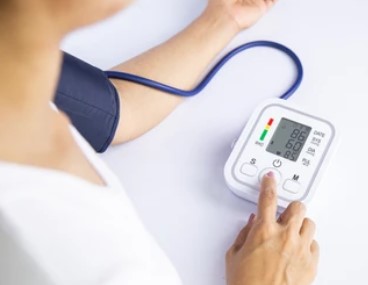
Image from Shutterstock
If high or low blood pressure is recorded, another reading should be taken on a second day. If the second reading, too, is high or low, further tests or observations may need to be carried out. Medication and/or lifestyle changes should subsequently be sought from a doctor.
Prevention
A few precautions or lifestyle changes that can be taken in order to maintain a healthy blood pressure – particularly, to lower the risk of hypertension – are:
- maintaining a healthy diet that includes plenty of fruit and vegetable
- maintaining a healthy weight and taking measures to lose any excess weight
- avoiding excessive intake of salt (ideally less than 6g, or a teaspoon a day) and saturated/trans fats
- avoiding a sedentary lifestyle
- engaging in regular physical activities such as running, walking, swimming, dancing, aerobic activity and activities that build up strength (e.g., weights)
- avoiding excessive alcohol and caffeine intake
- not smoking
- taking any prescribed medication as advised by your doctor
- avoiding or managing stress
- checking blood pressure regularly (at least once in five years for adults over the age of 40 years who have no other medical conditions)
Treatment
It is very important that medications for high or low blood pressure are taken as advised by a doctor, and that the dosage and frequency are followed as recommended.
HYPERTENSION
Patients with hypertension are usually encouraged to make lifestyle changes such as those mentioned as preventive measures above.
Among the commonly administered medicines for hypertension are:
- angiotensin-converting enzyme (ACE) inhibitors, which relax blood vessels (e.g., ramipril, perindopril, enalapril, lisinopril)
- angiotensin-2 receptor blockers (ARBs), which relax blood vessels (e.g., losartan, valsartan, telmisartan, olmesartan, candesartan, irbesartan)
- calcium channel blockers, which relax blood vessels (e.g., amlodipine, felodipine, nifedipine)
- beta blockers, which reduce the pace and intensity of heartbeats (e.g., atenolol, bisoprolol)
- diuretics, which eliminate excess water from circulation to lower blood pressure (e.g., hydrochlorothiazide, indapamide, chlorthalidone)
HYPOTENSION
Measures that might be recommended for the treatment of hypotension include:
- switching to alternative medications for other conditions that the patient is being treated for, or changing their doses
- wearing support stockings, which help to improve circulation and blood pressure
- maintaining a healthy diet and water/fluid intake
- introducing nutrients and supplements that would help to deal with any underlying deficiencies
- getting treatment for any other conditions that might be causing LBP
Cover illustration from The New York Times
 The Bio Log
Very interesting.
Read also: WHY SHOULD YOU WORRY ABOUT YOUR BLOOD PRESSURE. Follow the blog for more health related posts.
LikeLike