
Wheezing is a symptom of an underlying condition that causes some form of obstruction of the respiratory tract/airway, rather than a medical condition in itself. It is characterised by a shrill whistling or coarse rattling sound that is observed when breathing – often more apparent during exhalation (breathing out) than inhalation (breathing in).
Wheezing can occur across all ages, with a global average incidence of around 12% among adolescents and adults. There seems to be a somewhat higher incidence rate among infants and small children, possibly due to their airways being smaller and more prone to viral infections.
Complications
Wheezing can usually be kept under control through mindful lifestyle changes and by following treatment and medication as prescribed. However, professional guidance should be sought if recurrent wheezing occurs with any of the following added symptoms:
- difficulty breathing
- accelerated breathing
- skin colour turning blue/grey
Emergency care should be sought if wheezing is triggered by events such as taking medication, a food allergen, being stung by an insect (such as a bee).
Causes
Any condition that causes inflammation or irritation at any point along the throat to the lungs can result in wheezing. As such, wheezing may be brought on by the following medical conditions:
- asthma
- allergic reactions / anaphylaxis
- respiratory tract inflammatory conditions such as epiglottitis, laryngitis, bronchitis, bronchiolitis
- lung conditions such as chronic obstructive pulmonary disease (COPD), emphysema, lung cancer, bronchiectasis
- respiratory infections such as pneumonia, respiratory syncytial virus (RSV)
- airway compression, by conditions such as tumours, goitre
- congestive heart failure
- vocal cord dysfunction
- certain medications such as aspirin
- obstructive sleep apnoea
- gastrointestinal reflux disease (GERD)
- smoking or exposure to second hand smoke
- inhalation of a foreign object into the respiratory tract

Image from Healthdirect
Diagnosis
The symptom of wheezing can generally simply be detected using a stethoscope. In some cases, the whistling/rattling sound may be loud enough to be heard even without the instrument.

Image from Stethoscope.com
Beyond this, in more chronic or complex conditions, computerised waveform analysis may be used to characterise the wheeze, with the pitch of the wheeze bearing correlation to the severity of stiffness/thickening in the airway. These analyses may also help to determine the point/s of obstruction causing the wheeze.
It is important to determine the underlying cause of the wheeze, as this is what needs to be addressed and treated in order to alleviate the symptom of wheezing.
Prevention
Following are a few practises that could help to prevent or reduce the frequency and intensity of wheezing episodes:
- taking medication prescribed for the causal condition regularly and in a timely manner
- seeking early medical care in the case of infections – particularly respiratory infections
- being mindful of trigger factors (e.g. dust, smoke, stress, pet dander) and avoiding them
- slow, deep breathing exercises
- carrying emergency medication, such as one’s inhaler (for asthma), antihistamines (for allergies), etc., on oneself for immediate treatment should a wheezing episode occur
- refraining from smoking and exposure to smoke
- drinking warm fluids, to relax the airway and loosen up sticky mucus in the throat
- using a humidifier to moisturise the air
- regular steam inhalation
- spending time in a sauna/hot shower every now and then
Treatment
Since the symptom of wheezing can be caused by many potential reasons (as discussed above), treatment would have to be administered for the respective underlying condition. In addition, the above-mentioned preventive measures can be taken in order to reduce the risk of wheezing occurring.
In most cases, the patient might be subjected to nebulisation, where medication is administered directly to the lungs in the form of a mist, in order to help quicken the treatment process. Oxygen therapy may also be used, if required.
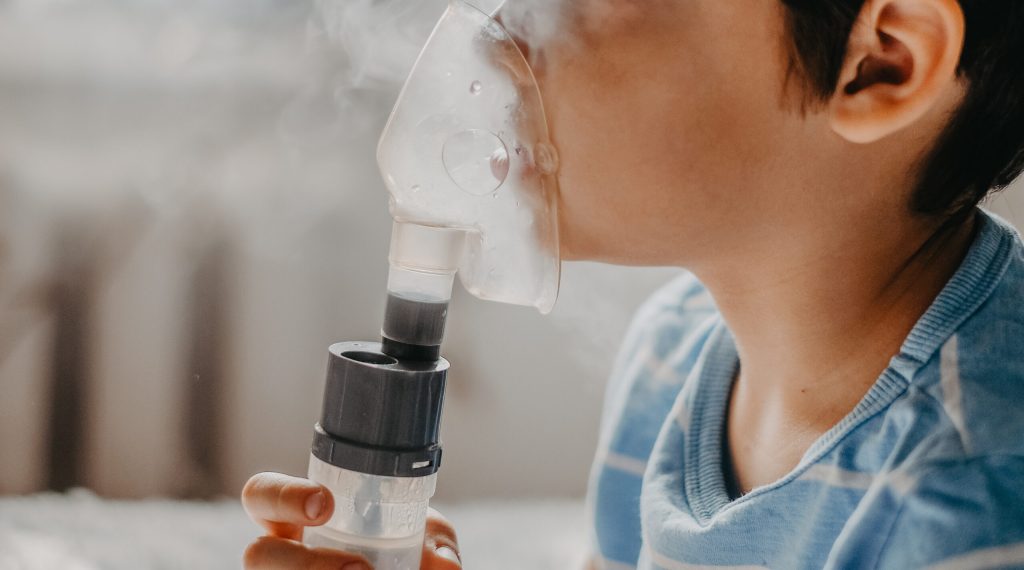
Image from Team Medical Supplies
Cover illustration from Shutterstock
 The Bio Log